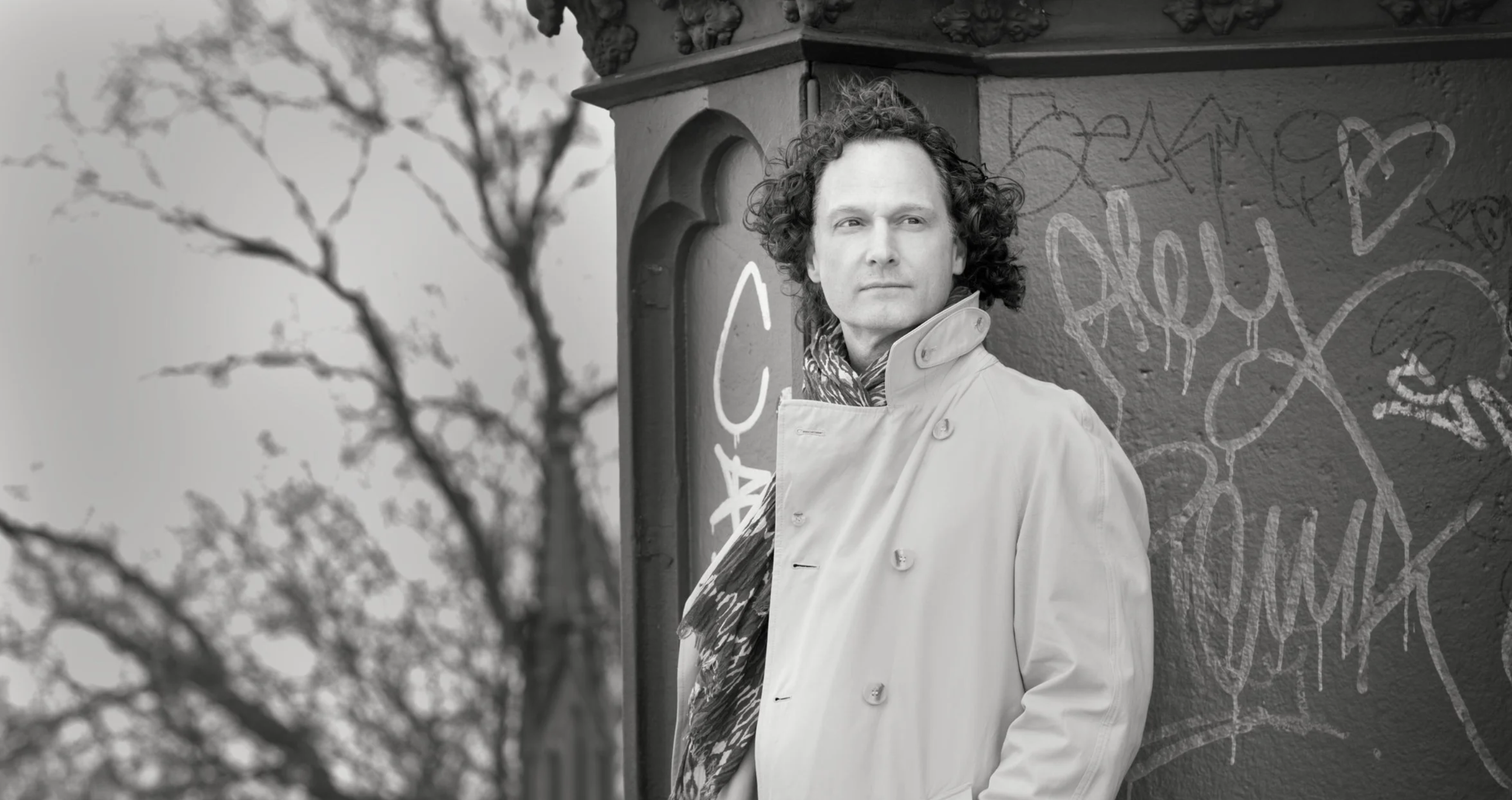
Toby Purser conducts cellist Liubov Ulybysheva performing Dvořák’s seminal Cello Concerto for our 2026-27 season opener
Programme
Dvořák: Wanda Overture
Dvořák: Cello Concerto
Schumann: Symphony No. 3 “Rhenish”
Tickets
Just select the ticket types and quantity and click ‘Add’:
Adult tickets: £20
Concessions: £15
Under 16: £10
Toby Purser conducts cellist Liubov Ulybysheva performing Dvořák’s seminal Cello Concerto for our 2026-27 season opener
Once you’ve selected your tickets, click on the shopping cart icon in the top menu to complete your purchase
Gift Card: The Perfect Present
Give the gift of music to someone you love! We now offer 4x gift card values that can be used to purchase tickets, drinks or even orchestra subscriptions for members. Click the button to find out more.
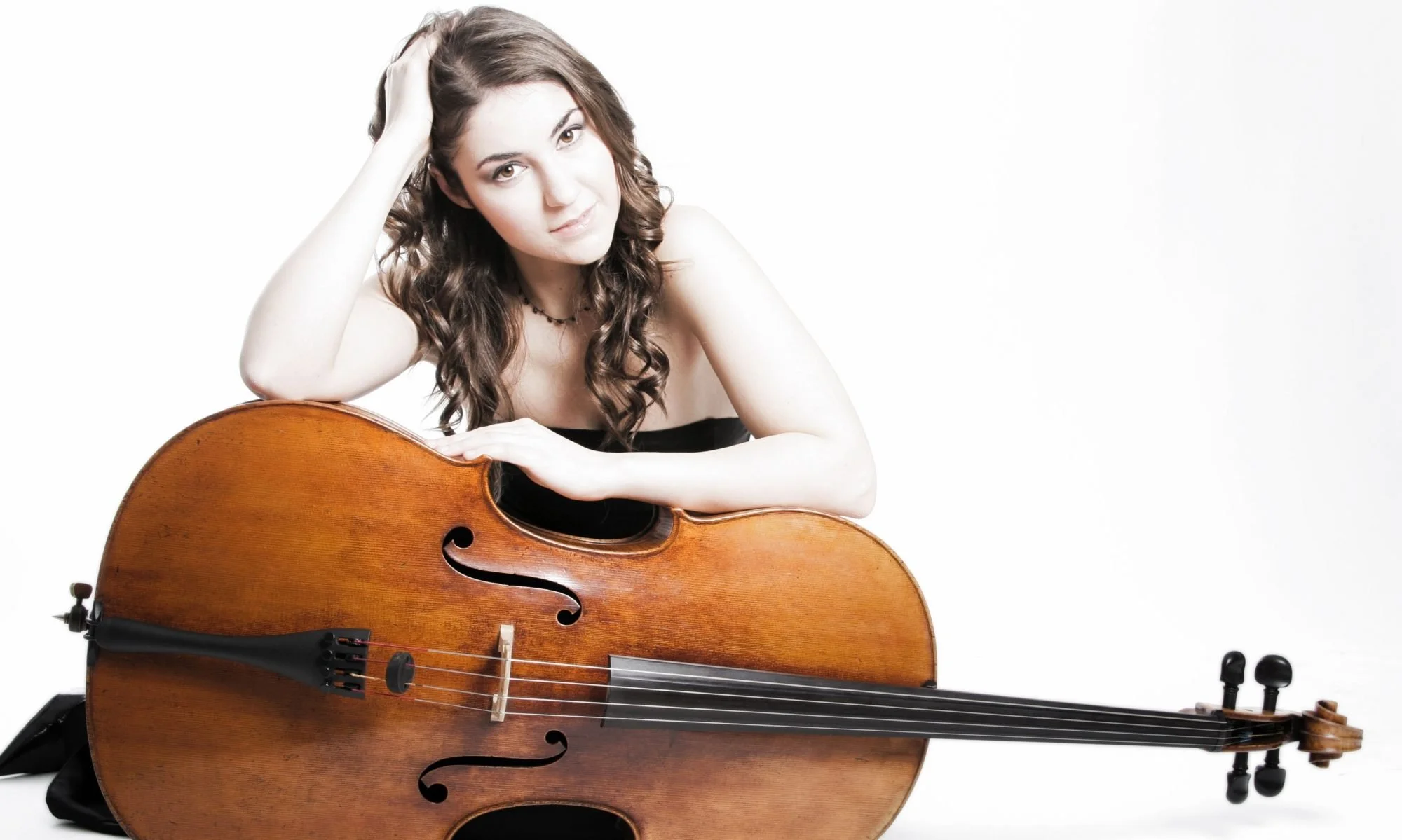
Liubov Ulybysheva
Liubov Ulybysheva is a distinguished cellist known for her expressive tone, technical precision and versatile repertoire spanning Baroque to contemporary music. A graduate of prestigious conservatoires, she has performed as soloist and chamber musician across Europe and Asia, appearing at leading festivals and with notable orchestras.
Dvořák Wanda Overture
Dvořák’s overture Wanda is a concise, vivid curtain-raiser composed in 1880 for a drama by the Polish writer Adolf Dygasiński. It opens with a bold, declamatory theme that immediately establishes a heroic and somewhat sombre atmosphere. Horns and strings project a noble motif, soon contrasted by urgent, agitated figures that drive the music forward. Rustic, folk‑like gestures sit alongside sweeping, operatic lyricism. A tender, hopeful secondary idea in the woodwind section offers a lyrical respite, colouring the emotional landscape with warmth and yearning before darker material returns.
Structurally compact yet richly expressive, Wanda balances dramatic tension and melodic generosity. Lasting around ten minutes, Wanda is an excellent example of Dvořák’s dramatic instinct: an overture that feels both stage‑worthy and perfectly at home in the concert hall, combining national inflections with universal emotional directness.
Dvořák Cello Concerto
The Cello Concerto in B minor is widely regarded as the pinnacle of the Romantic cello repertoire and one of Antonín Dvořák’s greatest works. Composed in 1894–95 while the composer was living in New York, it combines Czech lyricism, expansive orchestral colour and a profound sense of melancholy and resolution. The work balances virtuosic demands with deeply expressive, song-like lines that favour the instrument’s voice-like qualities.
The opening movement begins with a dark, brooding orchestral introduction that sets a dramatic, almost symphonic tone. After the initial noble theme, a more yearning melody follows. A central Adagio section provides a poignant pause — a quiet, reflective song that grows naturally from the main material — before the music returns to the primary motives and drives toward a powerful, decisive close.
The second movement is intimate and affecting. Its sustained, singing cello line unfolds over gentle orchestral textures; the music is suffused with nostalgia and warmth. The movement functions as the emotional centre of the concerto, offering solace and introspection before the finale.
The finale begins with a rhythmic, dance-inflected theme reminiscent of Czech folk spirit. A secondary, more lyrical subject contrasts with the opening’s energetic character. The movement weaves together dance and developmental passages, incorporating thematic references to earlier movements and building to the ending in B major, thus transforming the opening tragedy into an affirmative ending.
Dvořák wrote the concerto during his tenure as director of the National Conservatory in New York. The piece reflects a composer at the height of his powers, combining influences from his Czech roots with the broader European symphonic tradition.
Schumann Rhenish Symphony
Composed in 1850 during Schumann’s stay in Düsseldorf, the "Rhenish" Symphony captures the composer’s response to the Rhineland’s landscapes, traditions and cathedral towns. Scored for a classical Romantic orchestra, the work unfolds across five contrasting movements: a robust, ceremonious first movement; a lyrical, intimate second; a scherzo with rustic energy; a grand, processional slow movement inspired by the splendour of Cologne Cathedral; and a jubilant, folk-inflected finale. The symphony balances pastoral warmth, rhythmic vitality and harmonic colour, combining Schumann’s characteristic song-like themes with rich orchestral textures.
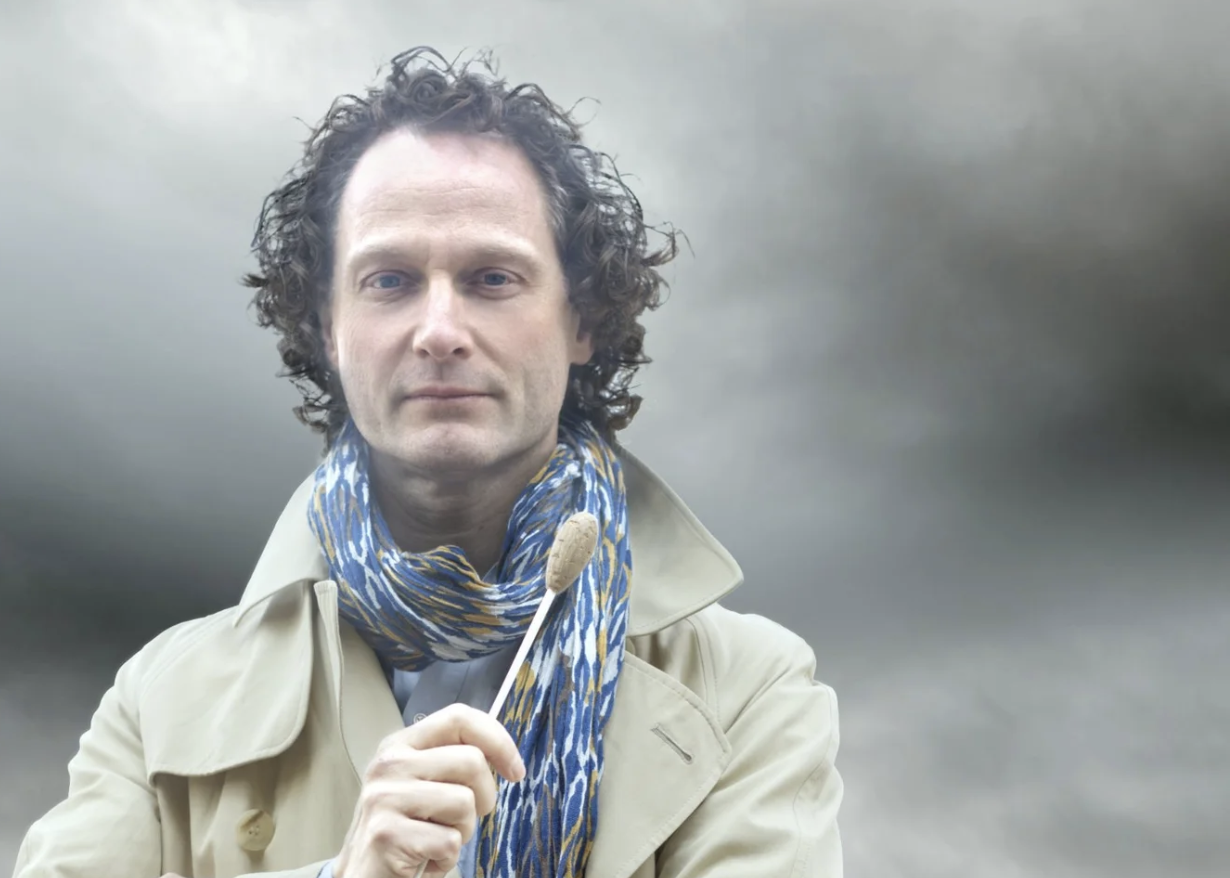
Toby Purser
Toby Purser is a British conductor known for his clarity of gesture, thoughtful programming and commitment to audience engagement. He founded and directs the Orion Orchestra and has led performances across opera and concert repertoire, emphasising musical storytelling, historically informed insight and collaboration with singers and instrumentalists.
St. Peter’s Church, Notting Hill

The venue for our concert is St Peter's Church in Notting Hill, a building of notable architectural quality, listed Grade II*. The interior of the building is very elaborate, with many of the pillars boasting gilded capitals.
To get to St Peter’s Church using public transport, the closest Tube Station is Notting Hill Gate. The closest Bus Stop is PT-Stanley Gardens and PS-Chepstow Villas.
On-street parking outside the church is limited to RBKC resident permit holders, with some prepay spaces also available.
Address: 90 Kensington Park Road, London, W11 2PL