Andrew Fardell conducts this beautiful programme of works featuring the Finzi Clarinet Concerto played by Peter Cigleris
Programme
Mozart: Symphony No. 35 “Haffner”
Finzi: Clarinet Concerto
Beethoven: Symphony No. 7
Tickets
Just select the ticket types and quantity and click ‘Add’:
Adult tickets: £18
Concessions: £13
Under 16: £8
Once you’ve selected your tickets, click on the shopping cart icon in the top menu to complete your purchase
Gift Card: The Perfect Present
Give the gift of music to someone you love! We now offer 4x gift card values that can be used to purchase tickets, drinks or even orchestra subscriptions for members. Click the button to find out more.
Mozart: Symphony No. 35 “Haffner”
A radiant example of Mozart’s orchestral brilliance, the “Haffner” Symphony sparkles with youthful vigour, elegant charm and melodic invention. Written in 1782 for the Haffner family’s celebrated festivities in Salzburg, this compact four-movement symphony balances ceremonial grandeur with theatricality.
The “Haffner” is immediately accessible and richly rewarding on repeat listening. Its combination of ceremonial splendour and effervescent charm makes it an ideal showcase for an orchestra’s elegance, ensemble precision and expressive range.
Finzi: Clarinet Concerto
Gerald Finzi’s Clarinet Concerto unfolds with a richly lyrical, autumnal warmth, its melodic lines imbued with the composer's characteristic English melancholy and refined craftsmanship. The work alternates between introspective, song-like passages and more animated, rhythmically pointed episodes, allowing the clarinet to sing with a human quality - resonant, plaintive and capable of sudden wit. The orchestration is transparent and sensitively scored, often supporting the solo line with understated strings and woodwind colours that heighten the concerto’s intimate chamber-like atmosphere rather than overpower it.
Harmonically, Finzi favours modal inflections and gentle dissonances that suggest nostalgia and quiet resolve; the slow movements linger with haunting serenity, while the faster sections reveal an earthy vigour rooted in folk-inflected rhythms. Overall, the concerto balances plaintive reflection with moments of buoyant lyricism, offering a deeply personal, expressive portrait of the clarinet as both voice and storyteller.
Beethoven: Symphony No. 7
Beethoven's Symphony No. 7 is an exuberant and rhythmically driven masterwork that balances primal energy with refined structural clarity. It quickly gained a reputation for its infectious dance-like vitality - particularly in the second movement, with its almost ritualistic insistence. The outer movements pulse with syncopated rhythms, boldly articulated brass and woodwind figures, and a sense of forward momentum that seems to celebrate life through motion; the vivacious first movement and the jubilant, almost volcanic finale contrast with the more measured but deeply expressive slow movement. Beethoven’s orchestration is both economical and inventive, using steady ostinatos, shifting accents and dynamic contrasts to create dramatic tension without recourse to flamboyant melody.
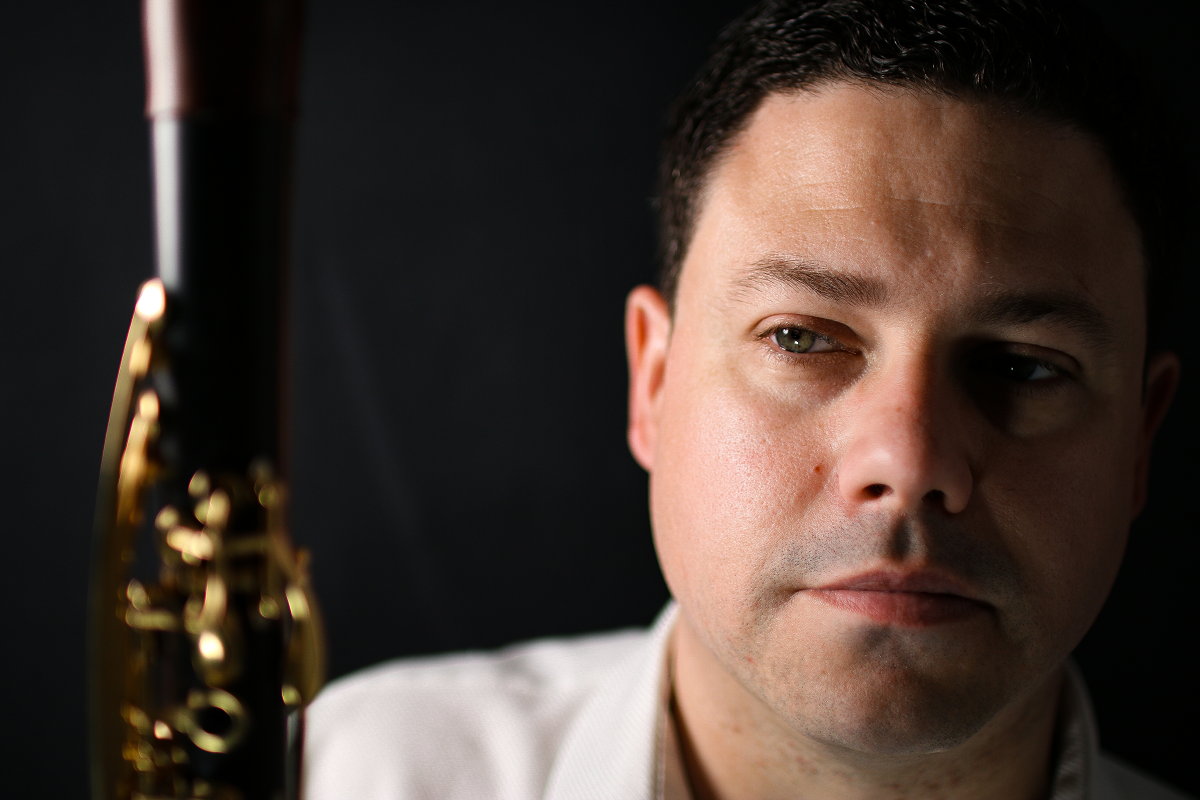
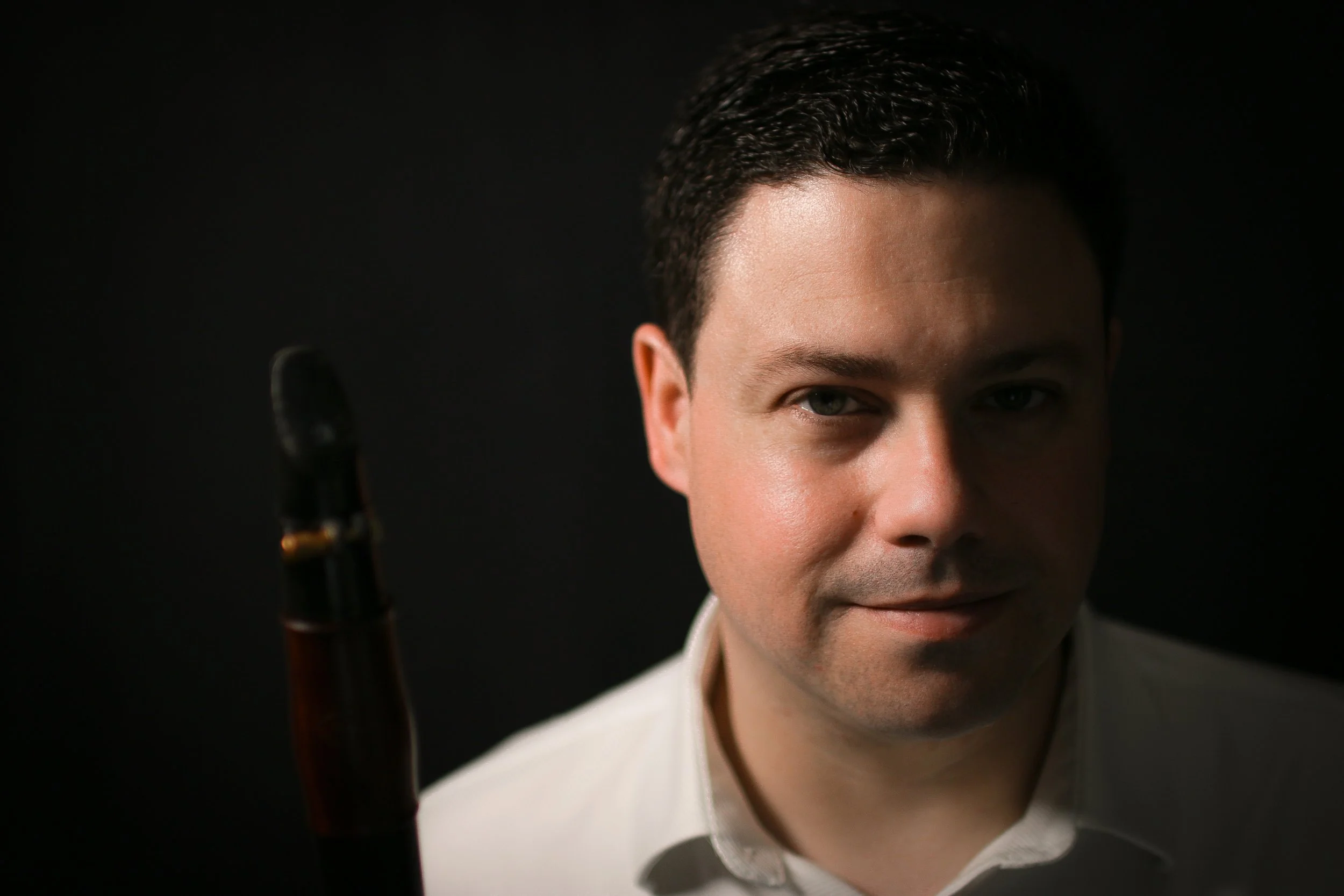
Peter Cigleris
Peter Cigleris is a highly accomplished British clarinettist renowned for his expressive tone, technical precision and wide-ranging repertoire. Trained at the Royal Academy of Music, he quickly established himself as a versatile player equally at home in orchestral, chamber and solo settings.
He combines artistic integrity with a practical, collaborative approach, making him a sought-after clarinettist in concert halls, recording studios and educational settings.
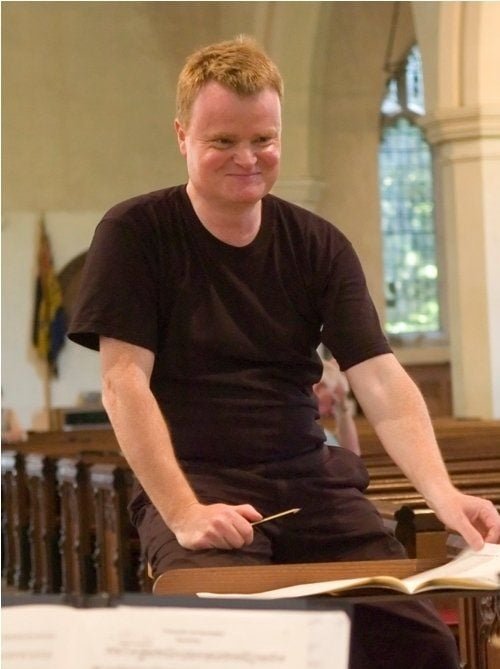
Andrew Fardell
Andrew Fardell is a British conductor renowned for his dynamic, precise leadership and wide-ranging repertoire. Equally at home with period and modern instruments, he brings clarity, rhythmic vitality and expressive detail to performances of orchestral, choral and operatic works. Fardell is noted for his collaborative approach, thoughtful programming and commitment to supporting young musicians and community projects. His recordings and live performances have been praised for their energy, musical intelligence and stylistic sensitivity.
St. Peter’s Church, Notting Hill

The venue for our concert is St Peter's Church in Notting Hill, a building of notable architectural quality, listed Grade II*. The interior of the building is very elaborate, with many of the pillars boasting gilded capitals.
To get to St Peter’s Church using public transport, the closest Tube Station is Notting Hill Gate. The closest Bus Stop is PT-Stanley Gardens and PS-Chepstow Villas.
On-street parking outside the church is limited to RBKC resident permit holders, with some prepay spaces also available.
Address: 90 Kensington Park Road, London, W11 2PL